Why do I have bad digestion?
Digestive system disorders
Nutritionists and other natural health practitioners place a lot of emphasis on the health of the digestive tract in terms of maintaining overall health and well-being.
This is logical, given that our digestive system is central to the absorption of the nutrients that we need to keep us functioning efficiently. In addition, it also has a critical role to play in the excretion of waste and toxins, which could be harmful to our bodies if allowed to remain.
It therefore stands to reason that if there is something wrong with our digestive system, it can affect many aspects of health and even be debilitating. For example, an inability to properly expel waste (e.g. constipation) can lead to large amounts of toxins being reabsorbed back into the bloodstream – this is called auto-intoxication or self-poisoning.
Unfortunately, digestive disorders are now commonplace. The term “digestive disorder” is used to describe a wide-range of conditions, including everything from mild symptoms to full blown functional disorders and diseases. In fact, there are more than 25 different conditions all relating to the digestive system. 7 basic symptoms generally alert you to the fact of a digestive disorder or problem:
- nausea
- heartburn
- vomiting
- bloating
- abdominal pain
- constipation
- and diarrhoea.
Of course, there can be numerous other symptoms too, which will depend on the person and the precise disorder. For example, bad breath can manifest as a result of a digestive problem.
It is estimated that an incredible 95 million people are affected by digestive problems every day. Digestive disorders are one of the primary reasons for GP visits and some of the more common diagnoses include Irritable Bowel Syndrome (IBS), Leaky Gut Syndrome, Crohn’s disease, ulcerative colitis and Candida albicans.
Digestive health has long been considered the key to good overall health and well-being, so love your gut and check out get some digestive system support.
Digestive health support
Numerous factors can contribute to the onset of a digestive disorder, such as stress, allergy or food intolerance, bacterial infection or parasites. However, the modern diet is widely accepted to play a critical role in digestive health.
Foods to support digestion…
Given that the digestive tract is the body’s receptacle for food, it is logical that diet can be an important factor both in terms of the digestive disorder itself and in alleviating symptoms. Certain foods (such as processed “junk” foods) place a much greater strain on the digestive system than others.
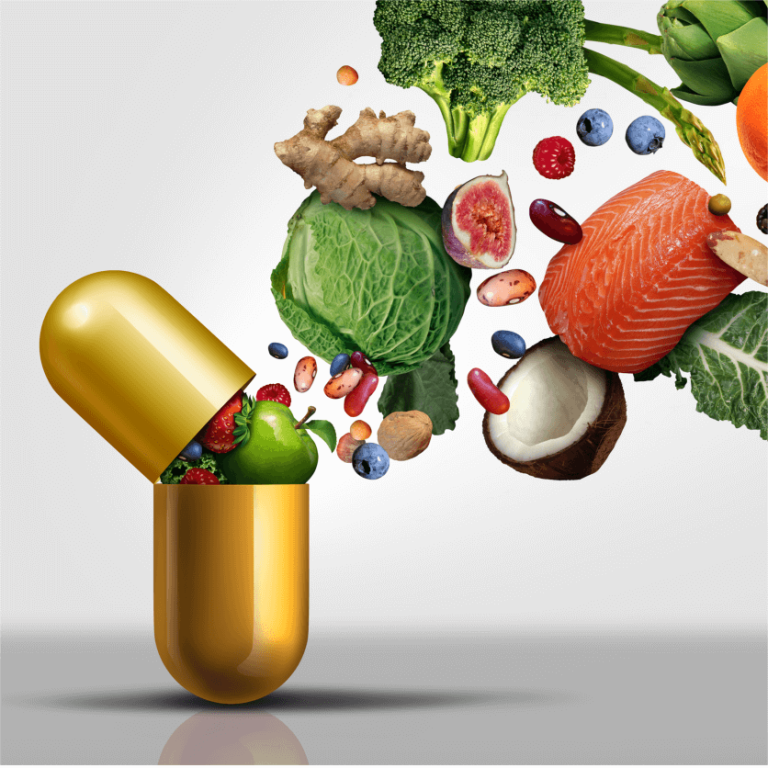
Incorporating raw foods (fruit and vegetables) into your diet is a great idea, because they are high in beneficial enzymes that assist digestion. The naturally-occurring enzymes in food are destroyed by heat (i.e. during the cooking process) – if most of the food you eat is cooked, your body has to work a lot harder to produce the necessary enzymes. Juicing raw fruit and vegetables is another way to take the strain off your digestive system, because the nutrients are much easier for the body to digest and assimilate in liquid form.
Therefore, most digestive disorders are the result of a few basic controllable factors.
For example, a lack of enzymes produced by the stomach from eating a diet of acid forming foods (alkaline and acid foods), eating too many cooked foods which are rendered enzyme-less, eating food you are allergic or intolerant to, an imbalance of the intestinal flora, stress and long-term / overuse of medications (such as antibiotics).
How to improve digestion naturally at home…
Many people believe that you can offer your digestive system some support by incorporating certain health supplements into your daily diet. For example:
- digestive enzymes
- probiotics (friendly bacteria)
- colon cleansers
- dietary fibre.
For more information, visit our main website